

The right venue hire depends on what you are hosting, not the other way around. A space that works for a 30-guest birthday may feel empty at a wedding reception, while a room designed for conferences may not suit a relaxed family celebration. Before you start comparing venues, it helps to know exactly what your event needs.
This guide works through the process in order: event type, guest count, budget, inclusions, layout, catering, location and accommodation, so you can compare venue hire options on more than price alone.
1. Match Your Event Type to the Right Venue
Start with the type of event you are planning, then use the table below to see the space, layout and features you’ll need to prioritise. This makes it easier to compare venue hire options based on what your event actually needs, rather than price or appearance alone.
| Type of event | Space and layout | What to look for |
| Wedding | Ceremony and reception space, room for dining and dancing, and an indoor backup if any part of the day is outdoors. | Catering and bar options, accommodation, guest flow, parking and how easily people can move between spaces. |
| Birthday | A space that suits the guest count, with room for dining, dancing, entertainment or speeches if needed. Smaller celebrations may suit a private dining room better than a large hall. | Bar arrangements, music or entertainment rules, closing times and whether décor or furniture is included. |
| Anniversary | A more intimate setting with comfortable seating and enough privacy for a smaller celebration. | Catering, atmosphere, accessibility and whether the venue can create a more private setup. |
| Corporate event | Suitable seating, presentation space and enough room for networking or breakaway sessions where needed. | Reliable Wi-Fi, AV equipment, power points, refreshments, parking and accessibility. |
| Year-end function | A flexible setup that can move from speeches, awards or dinner into drinks, entertainment and dancing. | Bar arrangements, entertainment equipment, closing times, staffing and transport or accommodation options. |
| Reunion or family celebration | Flexible seating and enough room for different age groups to eat, talk and move around comfortably. | Accessible facilities, broad catering options, parking and any outdoor areas guests can use. |
Once you know what the event needs, it becomes much easier to rule out venues that may look suitable on paper but will not work well on the day.
2. How Many Guests Does the Venue Need to Hold?
The venue needs to hold your confirmed guest count in the exact format you plan to use, not the highest number on its brochure. Advertised capacity is usually based on the most generous layout a room allows.
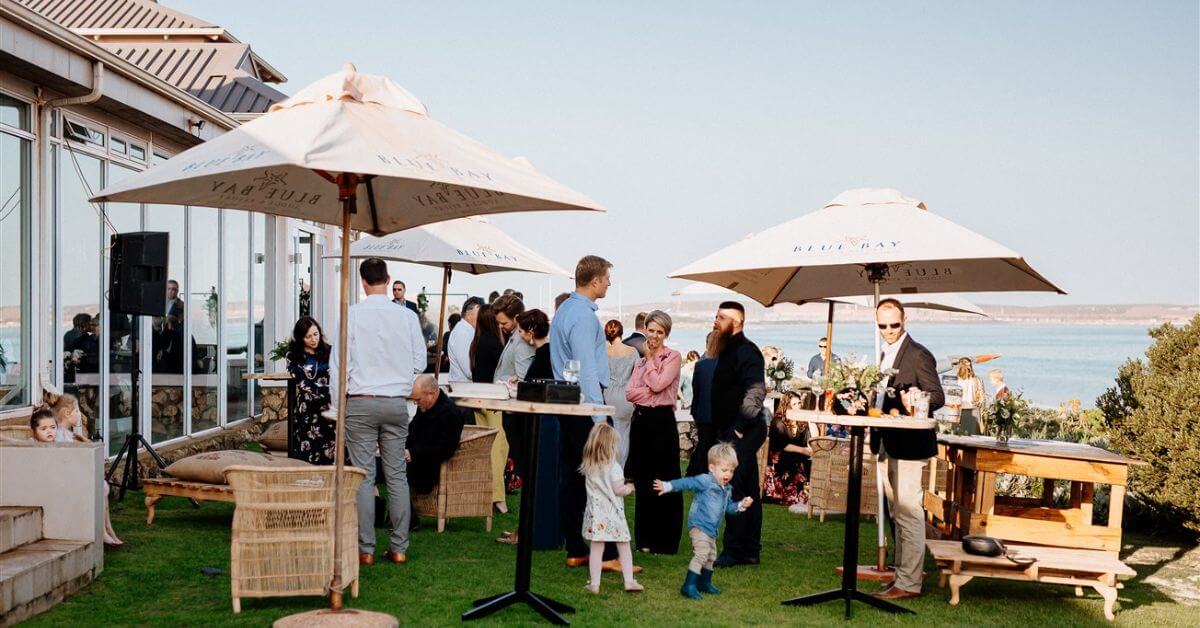
What Changes Usable Capacity
A few factors reduce a room’s real capacity below its advertised maximum.
- Seated versus standing: A room advertised for 150 standing might seat only 90 once tables and walkways are added.
- Dance floor: Any dedicated dancing space removes seating or standing capacity elsewhere.
- Stage: A stage for speeches, a band or a presentation takes up space that would otherwise hold guests.
- Buffet service: Buffet catering needs its own serving area, separate from where guests sit or stand.
Always ask what the capacity figure assumes, and request it in your actual format.
3. Compare the Full Cost, Not Just the Venue Hire Fee
Two venues can have similar venue hire fees and still end up costing very different amounts once catering, staffing, equipment and other extras are added. A 2026 South African wedding budget breakdown by Bridebook puts average venue costs between R40 000 and R150 000, against an average overall wedding spend of around R200 000. That gives you a sense of how significant the venue can be, but it still does not tell you what each venue will cost once all the extras are included.
Costs to Check Before You Book
When comparing quotes, make sure you are looking at the same costs across each venue. Here are the cost to compare:
- Venue hire: The base cost of using the room or property for your date and agreed times.
- Catering and drinks: Check whether these are included, charged per person or booked separately.
- Equipment and décor: Find out what furniture, AV equipment and standard décor are provided and what costs extra.
- Staffing and overtime: Confirm whether waitstaff, security, set-up and cleaning are included, and what happens if the event runs over time.
- Accommodation and transport: Factor these in if guests are travelling from further away or staying overnight.
Compare the full quotes rather than the headline venue hire price. A cheaper hire fee does not necessarily mean a cheaper event.
4. What Does the Venue Hire Include?
What is included in venue hire can vary significantly from one venue to another. A lower hire fee may not be the cheaper option once furniture, staffing, equipment or other essentials are added separately. Before comparing quotes, check exactly what is included in the price and what you will still need to arrange or pay for yourself.
- Furniture and linen: Check whether tables, chairs and linen are included. Some venues provide these as standard, while others charge separately or include only basic furniture.
- Catering and bar service: Some venues quote this as part of the package; others treat it as a separate booking.
- Staff and set-up: Confirm whether set-up, breakdown and cleaning staff are included or billed separately.
- AV equipment: A projector, screen, microphones or a PA system are sometimes included and sometimes hired in.
- Parking and accommodation: Confirm whether guest parking is free and whether on-site accommodation exists.
Ask each venue for a clear breakdown of what the hire fee covers before you compare your options. This makes it much easier to compare like for like and spot additional costs before you commit to a booking.
5. Does the Layout Suit Your Event?
The layout suits your event only if it matches how guests will move through the day, not just how many people the room holds on paper. Think about whether one large room suits your event better than several smaller connected areas, and check how indoor and outdoor space flows for the day. If a dance floor matters, ask where it sits relative to the tables and bar, and if you want a quieter area for older guests, confirm that space genuinely exists. Outdoor gathering areas are worth weighing up if guests are likely to step outside between courses.

6. Catering and Drinks: What Are Your Options?
Catering is one of the areas where venues differ most, so it is worth understanding the options early. Some venues offer in-house catering only, which can make coordination simpler but may give you less flexibility over suppliers. Others allow external caterers, which gives you more choice but adds another supplier to coordinate.

You will need to decide between a set menu and a buffet, confirm dietary requirements early, and clarify the bar arrangement, including corkage if you would rather bring your own drinks. Some venues bundle the venue fee, catering and bar into something closer to all-inclusive wedding packages, which makes comparing quotes simpler.
7. Location, Parking and Accessibility
How far your guests need to travel can affect the turnout, particularly on a weeknight or for older guests who would rather not drive home after dark. Check whether parking is included, and look closely at accessibility: not only whether there are stairs at the entrance, but also whether bathrooms and outdoor spaces are easy to reach for guests with limited mobility.

How far your guests need to travel can affect turnout, particularly on a weeknight or when people are travelling from further away. Check whether parking is included, and look closely at accessibility. Do not only consider the entrance: make sure bathrooms, venue spaces and outdoor areas are easy to reach for guests with limited mobility. If you are choosing between venues in different parts of the Western Cape, factor in the real journey your guests will need to make rather than distance on a map alone.
8. Do You Need Accommodation at the Venue?
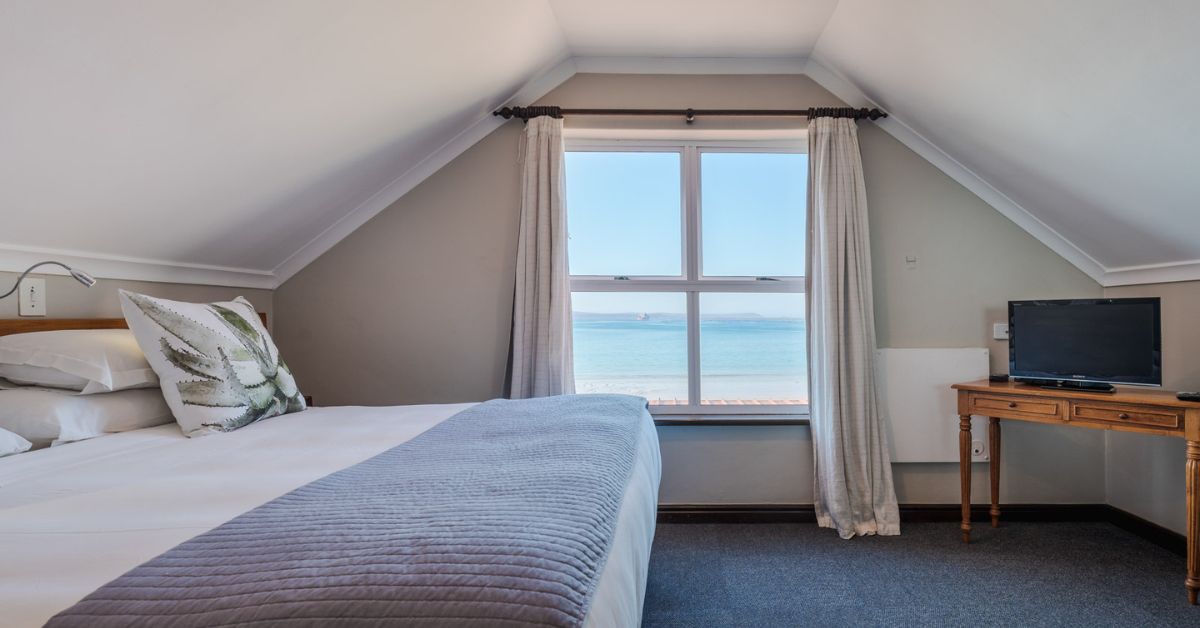
On-site accommodation is not essential for every event, but it solves a real problem for several event types. It matters most for weddings, where celebrations often run late, and guests travelling from afar would rather not drive home. Corporate retreats and reunions benefit for the same reason when guests are coming from out of town. It is worth considering for any event involving alcohol too, since it removes the pressure of arranging transport at night. Many of the best venues for wedding celebrations build accommodation into the offering, so ask even if you do not think you will need it.
Does the Venue Offer the Indoor and Outdoor Space You Need?
Think about how you want the event to work before you book. You may want everything indoors, a fully outdoor celebration, or a combination of the two, such as an outdoor ceremony followed by an indoor reception.
Check that the venue can accommodate that setup comfortably. If you plan to use both indoor and outdoor areas, look at how close they are to each other, how guests will move between them and whether the transition feels natural. An outdoor area may look ideal on its own, but it is less useful if guests have to walk a long distance to reach the bar, bathrooms or reception space.
For outdoor events, also confirm what happens if the weather changes. The backup space should be large enough for your full guest list and still work for your seating, catering, décor and entertainment. If the indoor alternative would force you to change the event significantly, it is worth knowing that before you book.
10. Questions to Ask When Viewing Venue Options
Take these questions to each viewing:
- Capacity: What is the maximum in the format needed – seated, standing or with a dance floor?
- Inclusions: What is covered in the hire fee, and what is billed separately?
- Catering: Is catering in-house or external, and can dietary needs be met?
- Access: Is parking included, and how accessible is the venue for guests with limited mobility?
- Accommodation: Is accommodation available on site, and how many can it sleep?
- Weather: What is the indoor backup plan, and how much notice does it need?
- Coordination: Who runs the day on site, and are they contactable throughout?
Getting the important details in writing gives you something concrete to compare across venues before you commit.
Hosting an Event at Blue Bay Lodge
The best venue is not necessarily the biggest, cheapest or most impressive at first glance. It is the one that works for the type of event you are planning, fits your guest list comfortably and gives you the facilities and services you need without leaving important costs or logistics to sort out later. Take the time to compare venue hire options carefully, ask what is included and picture how the event will work from your guests’ point of view before you book.

If you are planning an event on the West Coast, Blue Bay Lodge offers a range of spaces for weddings, birthdays, family celebrations, corporate events and other group events in Saldanha Bay. With indoor and outdoor venues, on-site catering, accommodation and views over the bay, it is worth considering if you would like to keep more of your event in one place.
Frequently Asked Questions About Venue Hire
How far in advance should you book a venue?
For weddings, large celebrations and year-end functions, it is sensible to start looking six to 12 months ahead, particularly if you want a Friday or Saturday in a popular season. November and December corporate dates can fill especially quickly. Smaller events, midweek functions and occasions where you have some flexibility around the date can often be booked with less notice. Once you know your approximate guest count and preferred date, however, there is little benefit in waiting to enquire.
Do you need to pay a deposit when booking a venue?
Usually, yes, but the amount and terms differ from venue to venue. Some venues require a percentage of the hire fee to secure the date, while others charge a separate booking or refundable damage deposit. Do not assume that a deposit will be returned if you cancel. Before paying anything, check whether it is refundable, whether it forms part of the final venue fee, when the remaining balance is due and what circumstances allow the venue to retain it.
What should you check before signing a venue contract?
Read the cancellation and payment terms closely, but also check the details that affect how the event will run. The contract should make clear your access and finishing times, whether set-up and breakdown are included within those hours, overtime charges, breakage or cleaning deposits and exactly what the quoted fee covers. Also check any restrictions on catering, alcohol, music, décor and outside suppliers. If anything you discussed during the viewing is important to your decision, ask for it to be confirmed in writing rather than relying on a verbal agreement.
Can you bring your own suppliers to a venue?
It depends on the venue. Some allow you to use your own caterer, DJ, décor company, photographer or other suppliers, while others have preferred suppliers or provide certain services exclusively in-house. Alcohol can have separate rules again, with some venues allowing selected drinks to be brought in subject to corkage. Ask about supplier restrictions before booking, particularly if you already have vendors in mind, and check whether external suppliers attract access fees, corkage or other additional charges.
What should you ask about backup power?
Do not stop at asking whether the venue has a generator or inverter. Find out what the backup system actually powers and how long it can support an event. Lighting may stay on while the kitchen, air-conditioning, Wi-Fi or AV equipment does not. Ask whether the changeover is automatic, whether catering and entertainment equipment are covered, who manages the system during an outage and whether there are any additional generator or fuel charges. It is worth getting those details in writing, particularly if your event relies on sound, presentations, refrigeration or evening lighting.