

There is a reason so many couples want something outdoors, with an open sky and natural light, in a setting that needs little extra decoration. An outdoor wedding venue can offer exactly that, but the setting is only part of the decision. Once you compare venues seriously, the questions become more practical than romantic. What happens if it rains, and where do guests go if the wind picks up? This guide sets out what to check before you pay a deposit on an outdoor wedding venue so you know which questions to ask on a site visit.
What Should You Look for in an Outdoor Wedding Venue?
Before you book an outdoor wedding venue, check more than the setting. The venue should work just as well practically as it does in photographs.

- Weather Backup: There should be a proper indoor or covered alternative if rain or strong wind affects the ceremony.
- Guest Capacity: The space should suit your guest numbers without feeling cramped or too large.
- Guest Comfort: Check for shade, shelter, suitable seating and easy access for different guests.
- Ceremony and Reception Layout: Ideally, guests should be able to move between the ceremony and reception without complicated transport or long walks.
- Facilities: Check bathrooms, parking, power, catering facilities and access for suppliers.
- What Is Included: Find out what comes with the venue hire and what will cost extra.
Weather is what couples most often underestimate during a sunny site visit, which is why it deserves its own closer look.
Does the Venue Have a Proper Weather Backup?
A proper weather backup is one of the most important things to check before booking an outdoor wedding venue. Ask the venue exactly what happens if rain, strong wind or other bad weather means the ceremony cannot go ahead as planned.
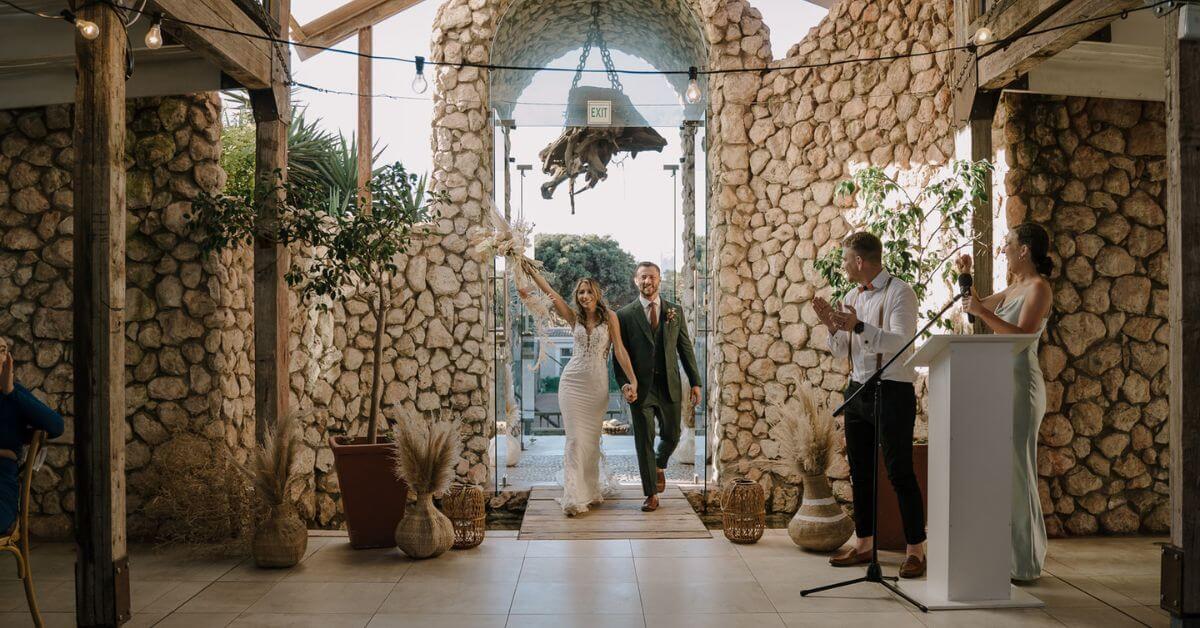
Indoor or Covered Alternatives
Ask whether there is an indoor or properly covered ceremony space, not just a gazebo that lets rain in sideways, and confirm guests can sit comfortably and hear you there. Find out whether the reception can also move indoors or only the ceremony.
Timing and Responsibility
Ask when the weather call gets made. Some venues decide on the morning itself, while others need a day’s notice, which affects your flexibility. Confirm the backup space seats your full guest list, and that moving chairs and equipment is the venue’s job, not yours.
A venue that answers these questions without hesitation has clearly managed this scenario before.
Think About Wind, Not Just Rain
Rain gets most of the attention, but wind is often the more disruptive factor on the day.
- Sound and Microphones: A windproof microphone and a sheltered ceremony spot help prevent your vows from being carried away from guests, a technique recommended by wedding planning site Polka Dot Wedding.
- Dress and Décor: A shorter veil, low and sturdy flower arrangements, and covered lanterns rather than open candles hold up far better in a stiff breeze.
- Signage and Loose Items: Anything free-standing should be weighted or anchored so it does not blow across the lawn.
- Guest Audibility: The most important test is whether guests at the back can hear the ceremony.
If your venue sits on the coast, ask how they typically manage a windy afternoon rather than assuming the calm in the photographs is guaranteed.
Will Your Guests Be Comfortable Outdoors?
Yes, but only if comfort is built in as standard, since guests are outside for much of the day.
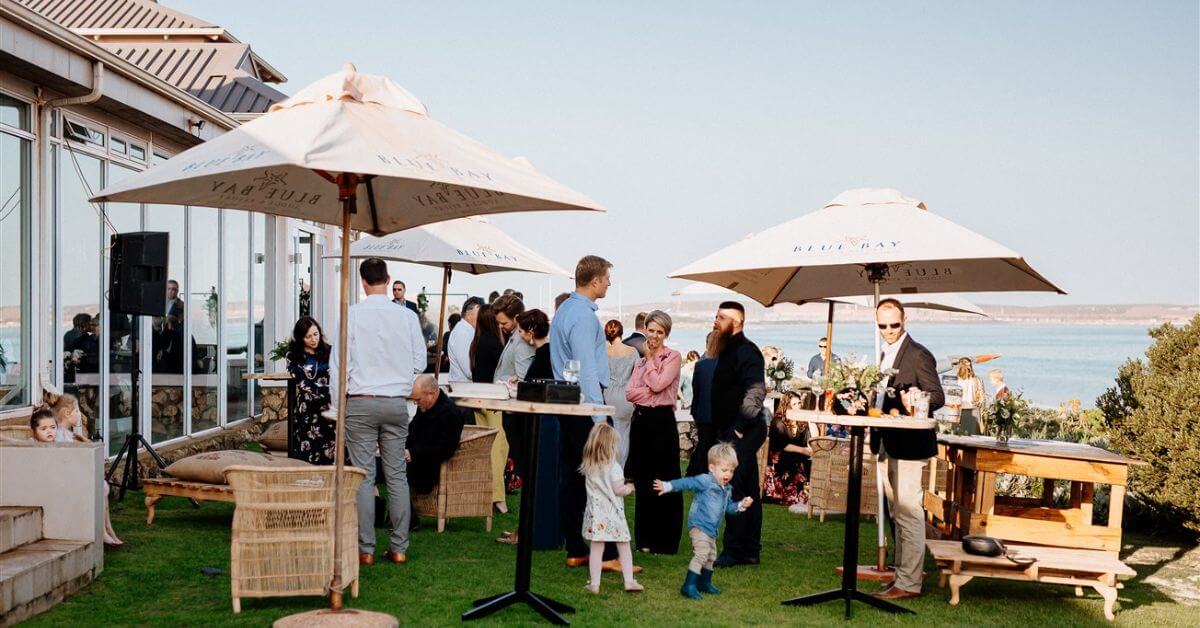
- Shade and Shelter: Cover from sun and wind matters during the ceremony itself, not only at the reception.
- Seating and Access: Firm, level ground and a stable aisle help elderly guests, children and anyone using a wheelchair.
- Footwear and Surfaces: Soft lawn or sand rarely suits heels, so note the setting on the invitation.
- Refreshments and Facilities: Drinking water and nearby toilets are quickly noticed when missing.
These details may not be the most exciting part of choosing a venue, but they can make a big difference to how comfortable your guests are on the day.
Can You Hold the Ceremony and Reception at the Same Venue?
Yes, and where possible this is worth prioritising, since keeping both in one place removes a layer of logistics.

- Guest Convenience: Guests do not need directions or transport between two locations.
- Smoother Transitions: Moving between ceremony, photographs and reception happens without a long gap.
- Lower Risk of Delay: Fewer guests arrive late or get lost.
This matters even more at intimate wedding locations, where a short walk between an outdoor ceremony and a nearby reception keeps the day feeling connected.
What Is Included in the Venue Hire?
What counts as included varies between venues, so get a full, itemised answer before signing anything.
- Ceremony and Reception Space: Confirm both are included, along with a genuine weather backup rather than an informal promise.
- Furniture and Set-up: Tables, chairs, décor and sound equipment may be included or charged separately.
- Catering, Bar and Staff: Ask whether these form part of the quote or need outside suppliers.
- Cleaning and Accommodation: Clarify whether cleaning and guest accommodation form part of the package.
The prices of venues for weddings can vary enormously depending on what is bundled in, so comparing headline numbers alone rarely tells you much. Some venues offer all-inclusive wedding packages that combine the ceremony, reception, catering and accommodation into a single price, which tends to make budgeting more predictable.
Is There Accommodation for You and Your Guests?
On-site accommodation is not essential, but it is especially useful for a coastal or destination-style wedding.
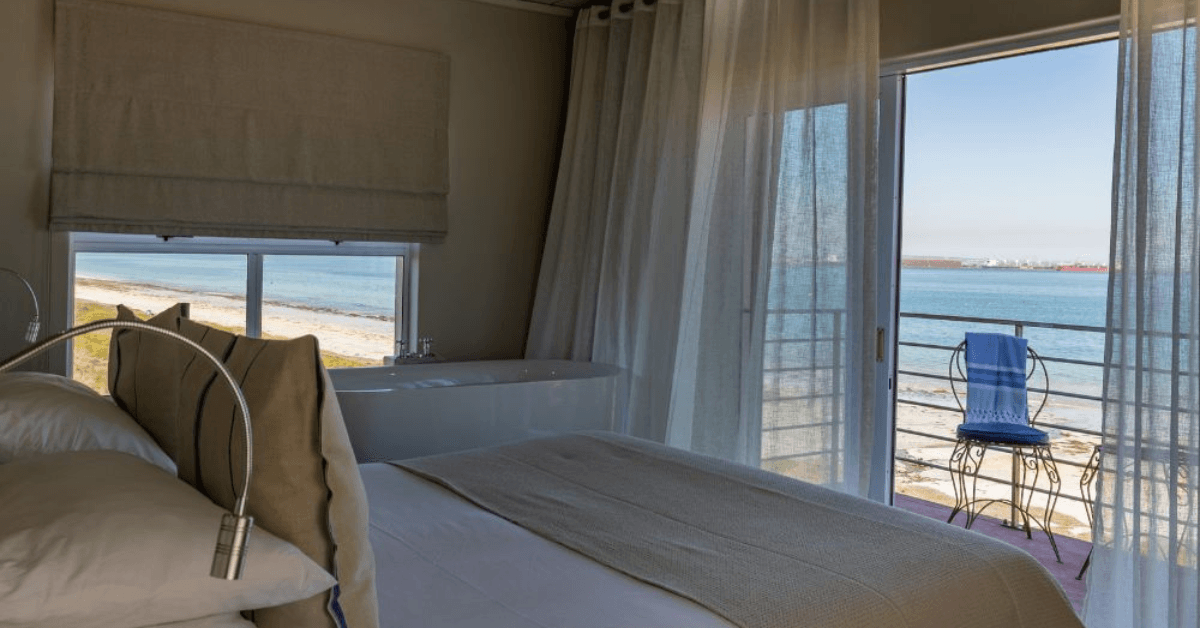
- Getting Ready on Site: This removes an early-morning commute for you and your wedding party.
- Guest Safety After the Event: Guests do not need to drive home after a few celebratory drinks.
- Extended Celebrations: The day can continue into breakfast the next morning.
If your outdoor wedding venue is somewhere guests need to travel to, accommodation availability is worth checking early.
Questions to Ask Before Booking an Outdoor Wedding Venue
Take a short list of questions like the one below to each viewing so that you can be sure all your bases are covered:
- What happens to the ceremony if it rains or the wind picks up?
- Is there a genuine indoor or covered backup space that fits our full guest list?
- When is the weather decision made, and who makes it?
- What is included in the venue hire?
- Can the ceremony and reception take place in the same location?
- Is there shade, shelter and suitable seating for elderly guests and children?
- Is accommodation available on site or nearby?
- Who moves furniture and equipment if plans change on the day?
- Is there backup power, and what will still operate during a power outage?
- Are there any restrictions on music or a set finishing time for outdoor celebrations?
Asking the same questions at every venue will make it much easier to compare your options and spot any practical problems before you book.
Outdoor Weddings at Blue Bay Lodge
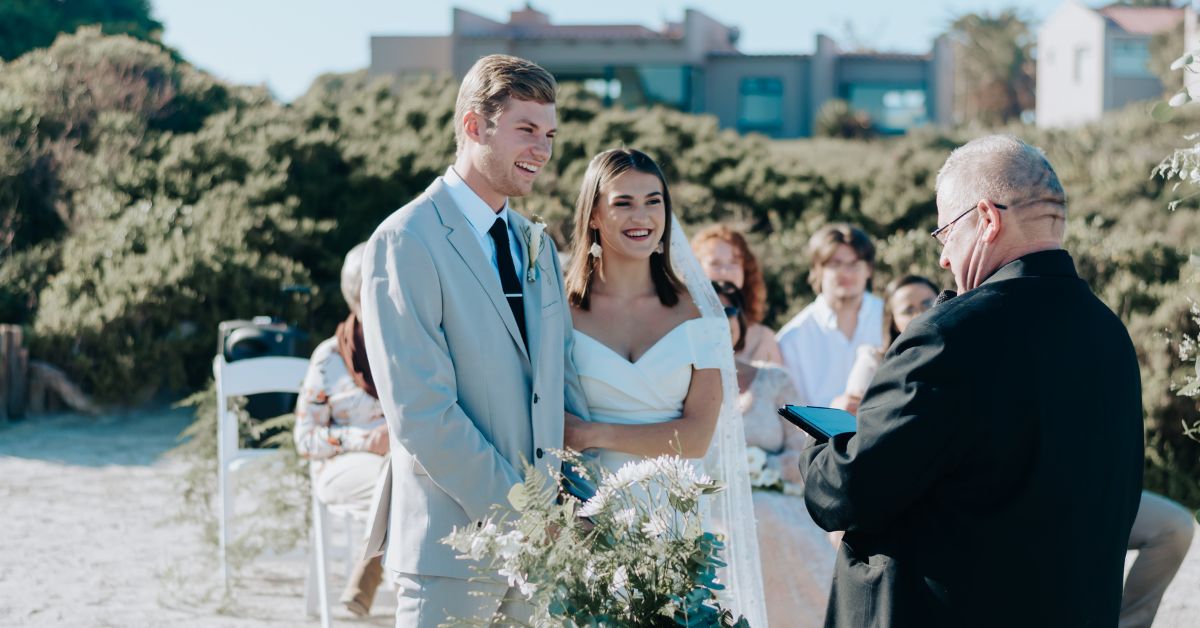
At Blue Bay Lodge we host outdoor weddings on the shores of Saldanha Bay on South Africa’s West Coast, and the same weather planning in this guide shapes how we set up every ceremony. Couples can say their vows on the beach or on the lawns overlooking the bay, with Henry’s Courtyard available as a covered, indoor alternative, as set out on our wedding venue page. Blue Bay Lodge is around 95 minutes from Cape Town CBD, giving you the option of a coastal wedding without travelling too far from the city.
For the reception, Henry’s Courtyard suits smaller, intimate gatherings of up to 80 guests, and Babeta’s Hall seats up to 100 guests with views over the bay. André’s Deck and its lawn suit an outdoor cocktail function or a South African braai. Our on-site restaurant offers set menus for weddings, and guests can stay in lodge rooms, suites or self-catering cottages. See our brochure for more information. Our coordinator can confirm availability at weddings@bluebaylodge.co.za.
Frequently Asked Questions
What happens if it rains at an outdoor wedding?
A well-planned outdoor wedding venue will have a covered or indoor space ready that seats your full guest list, confirmed before you book.
What month is best for an outdoor wedding in South Africa?
This depends on the region, but on the Western Cape coast the driest and calmest months typically run from December to February, according to South Africa Gateway. Having an indoor backup plan is still necessary in peak season, though, as the weather along the coast can change quickly.
Do I need a tent for an outdoor wedding?
Not necessarily, if your venue already has a proper indoor or covered alternative. A tent can work well on its own, but it needs securing against wind and should still offer shade.
How do you manage wind at an outdoor wedding?
Choose a sheltered ceremony spot where possible, use suitable sound equipment, and make sure signage, décor and other loose items are properly secured. Ask the venue how they normally manage windy conditions before deciding on your set-up.
What should I ask an outdoor wedding venue before booking?
Start with the weather backup, since it affects whether the alternative space fits your full guest list and who moves things if plans change. Then confirm what is included in the venue hire and whether accommodation is available nearby, so you can compare each outdoor wedding venue on the same basis.